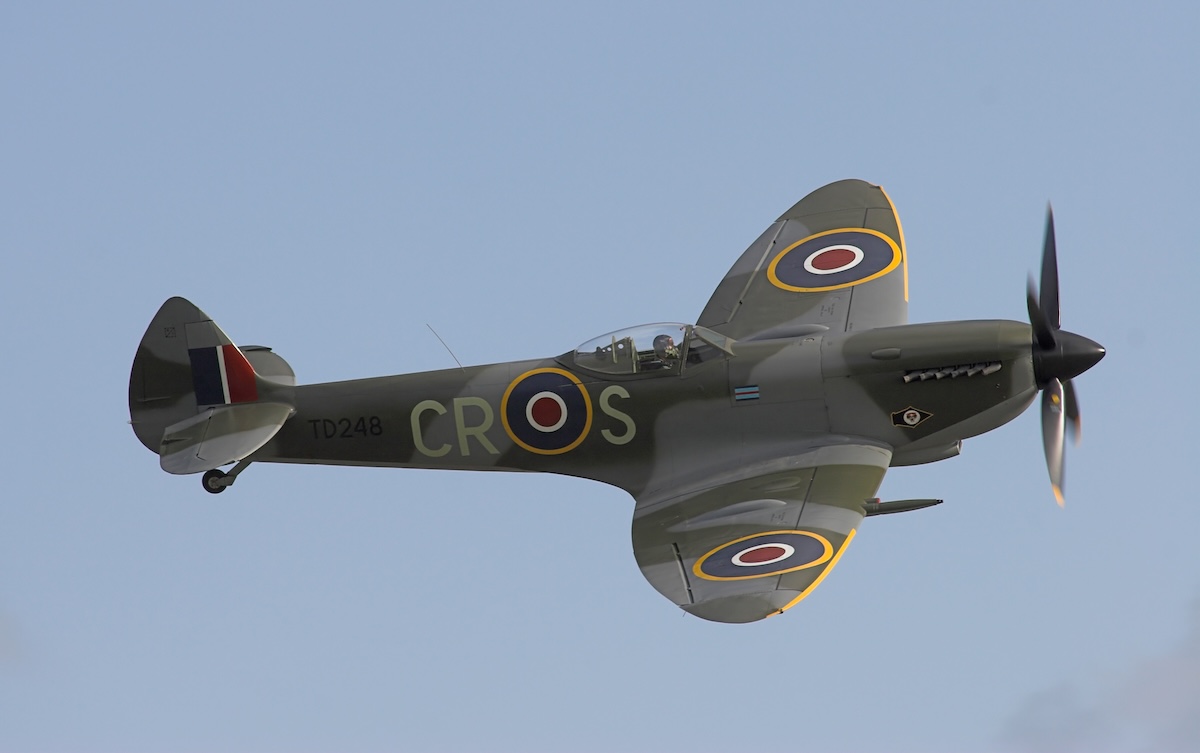
Vickers Wellington

The Wellington was a British medium bomber famous for Barnes Wallis's geodetic construction, which gave it unusual structural resilience. It served in bombing, maritime patrol, training, and anti-submarine roles throughout World War II.
Why It Matters
For readers building context across the Vintage Aviation encyclopedia, Vickers Wellington helps connect United Kingdom aviation history with bomber aircraft development, preservation interest, and comparable aircraft from the same era.
Design and Development
Vickers Wellington emerged from Vickers-Armstrongs's response to the technical and operational priorities of its period. Its configuration, production variants, and later adaptations show how aircraft designers balanced performance, reliability, mission needs, and maintainability.
Operational History
In service, Vickers Wellington became associated with world war ii, bomber command, geodetic construction aviation and built its reputation through training, operational use, restoration, museum interpretation, or enthusiast flying. Surviving examples and replicas continue to shape how modern audiences encounter the type.
Key Facts
| Country | United Kingdom |
|---|---|
| Manufacturer | Vickers-Armstrongs |
| Primary role | Medium bomber |
| First flight | 1936 |
| Configuration | Bomber, Twin Engine, Piston, Medium Aircraft |
| Powerplant | See variant details |
| Vintage significance | Vickers Wellington is a high-recognition vintage aircraft subject because it connects design history, surviving examples, and enthusiast search interest. |
Notable Variants
- Wellington Mk I
- Wellington Mk IC
- Wellington Mk III
- Wellington Mk X
- Wellington GR Mk XIV
Related Aircraft
External Links