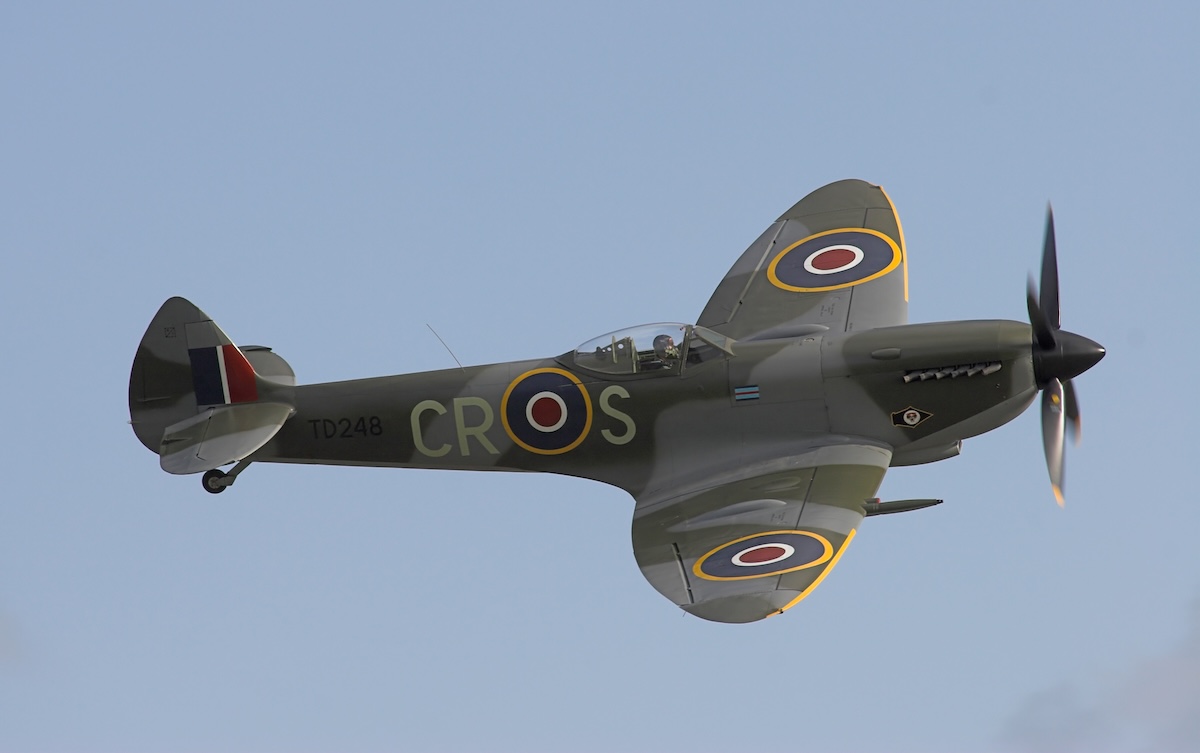
North American P-51 Mustang

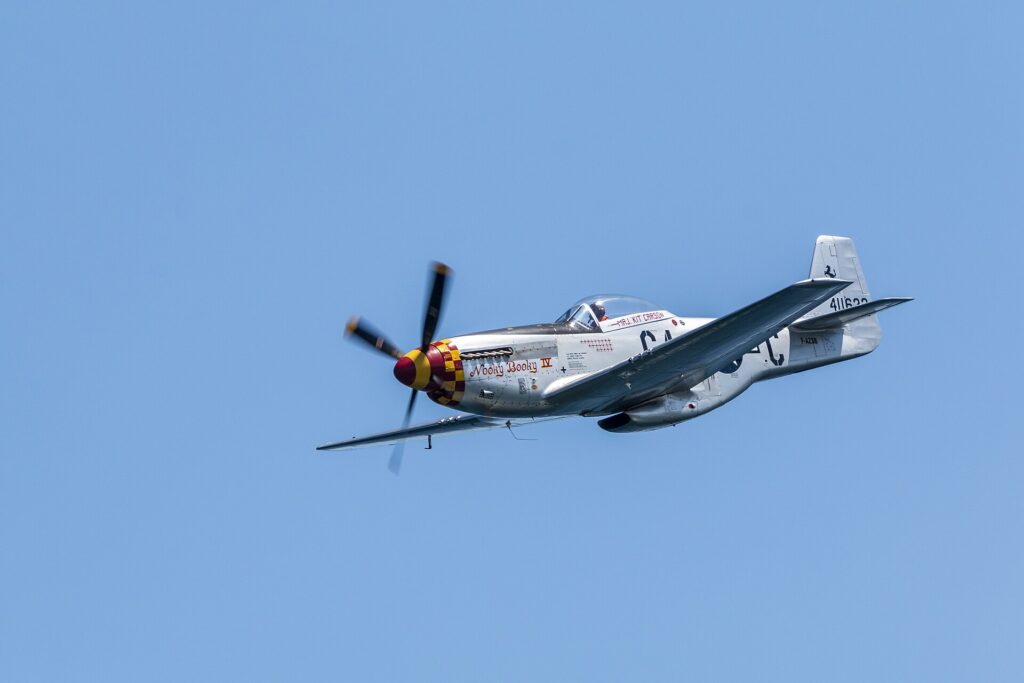
The Long-Range Fighter That Changed the Air War
Introduction
The North American P-51 Mustang occupies a special place in aviation history as the fighter that finally gave Allied bombers reliable long-range escort deep into enemy territory. Sleek, fast, and unmistakably purposeful, the Mustang remains one of the most admired and widely recognized warbirds still flying today.
Origins and Design
Originally designed in response to a British request for a new fighter, the Mustang’s airframe proved excellent from the start—but its true potential was unlocked when it was paired with the Rolls-Royce Merlin engine. This combination transformed the aircraft into a high-altitude, long-range performer with exceptional speed and efficiency.
The Mustang’s laminar-flow wing reduced drag, while its clean lines reflected a design philosophy focused on speed, range, and pilot visibility. These qualities made it both effective in combat and visually striking—two reasons it continues to resonate with enthusiasts.
Operational History
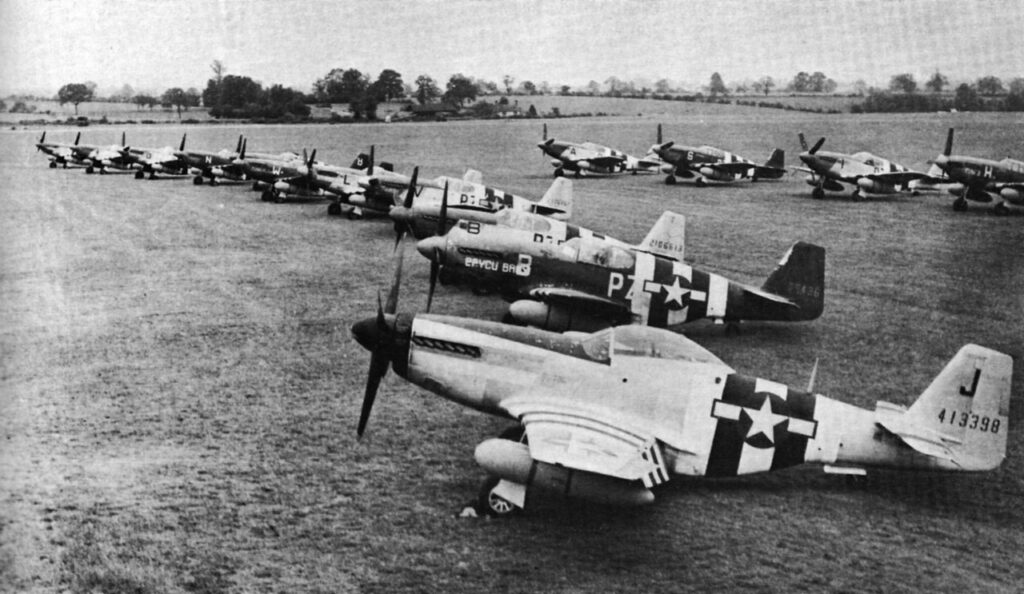
The P-51 is best known for its role escorting B-17 and B-24 bombers over Europe during World War II. With the range to accompany bombers all the way to targets and back, the Mustang helped shift air superiority decisively in favor of the Allies.
Beyond Europe, the Mustang also served extensively in the Pacific Theater and continued flying in combat roles during the Korean War. Its adaptability and effectiveness across multiple conflicts underscore why it is considered one of the most successful fighters of its era.
Variants and Evolution
The Mustang family includes numerous variants, with the P-51D becoming the most famous. Key changes over time included:
- Bubble canopies for improved visibility
- Increased internal fuel and external drop tanks
- Progressive upgrades to armament and avionics
Each variant tells part of the story of how the aircraft evolved alongside the demands of modern aerial warfare.
The Aircraft Today
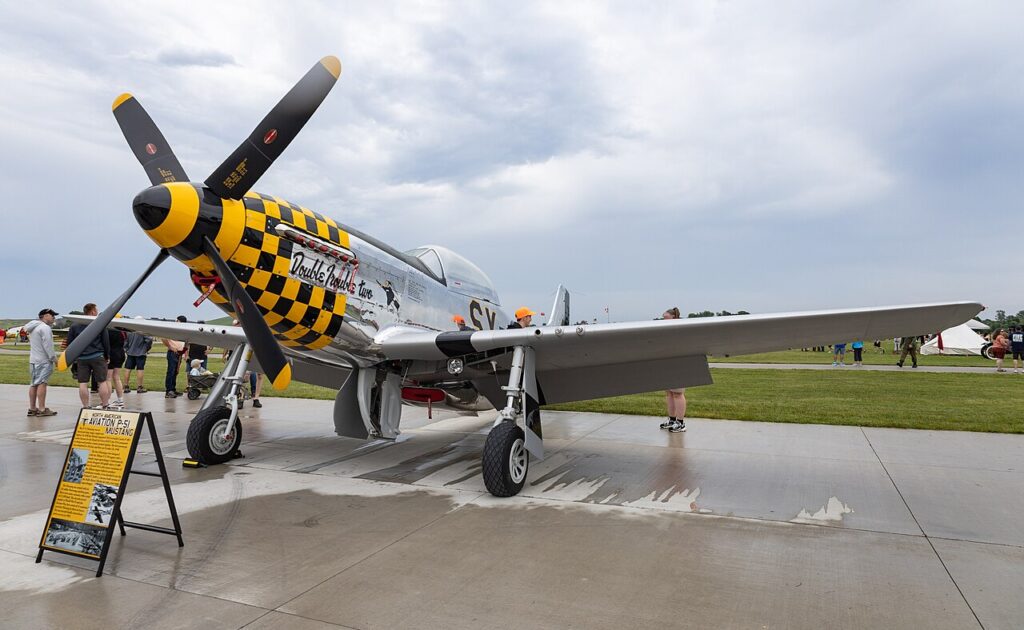
As of 2026, the P-51 Mustang is one of the most commonly flown WWII fighters in the world. It is a mainstay of major airshows and has also found a second life in postwar air racing, particularly at Reno and similar events.
Restoration standards for Mustangs are among the highest in the vintage aviation community, and their continued airworthiness reflects decades of accumulated knowledge and dedication.
Why Enthusiasts Still Care
The Mustang represents a near-perfect balance of form and function. It is admired not only for what it accomplished historically, but for how it looks and sounds doing it. The deep, authoritative tone of the Merlin engine and the aircraft’s purposeful stance on the ground make it unforgettable to see in person.
Enthusiast Reflections
Have you seen a P-51 Mustang in person—parked on a ramp, roaring past at an airshow, or displayed in a museum?
Many enthusiasts recall their first Mustang experience as unforgettable, whether it was the sound of the engine starting or the speed at which it seems to disappear into the distance. VintageAviation.org welcomes reflections from fellow enthusiasts on what draws them to the Mustang and why it continues to command attention decades after its first flight. Selected reflections may be included in future updates to this article.
Legacy
Few aircraft can claim to have altered the course of a war while remaining relevant and beloved generations later. The P-51 Mustang’s legacy lives on in the skies, where it continues to demonstrate why it earned its reputation as one of history’s great fighters.
Sources
- https://airandspace.si.edu/collection-objects/north-american-p-51d-mustang
- https://www.iwm.org.uk/history/the-p-51-mustang
- https://www.airspacemag.com/flight-today/p-51-mustang-180949915/
- https://www.eaa.org/eaa-museum/museum-collection/aircraft-collection-folder/1944-north-american-p-51d-mustang
- https://www.nationalmuseum.af.mil/Visit/Museum-Exhibits/Fact-Sheets/Display/Article/196234/north-american-p-51d-mustang/